Why Cheshire Businesses Should Consider a Headless CMS
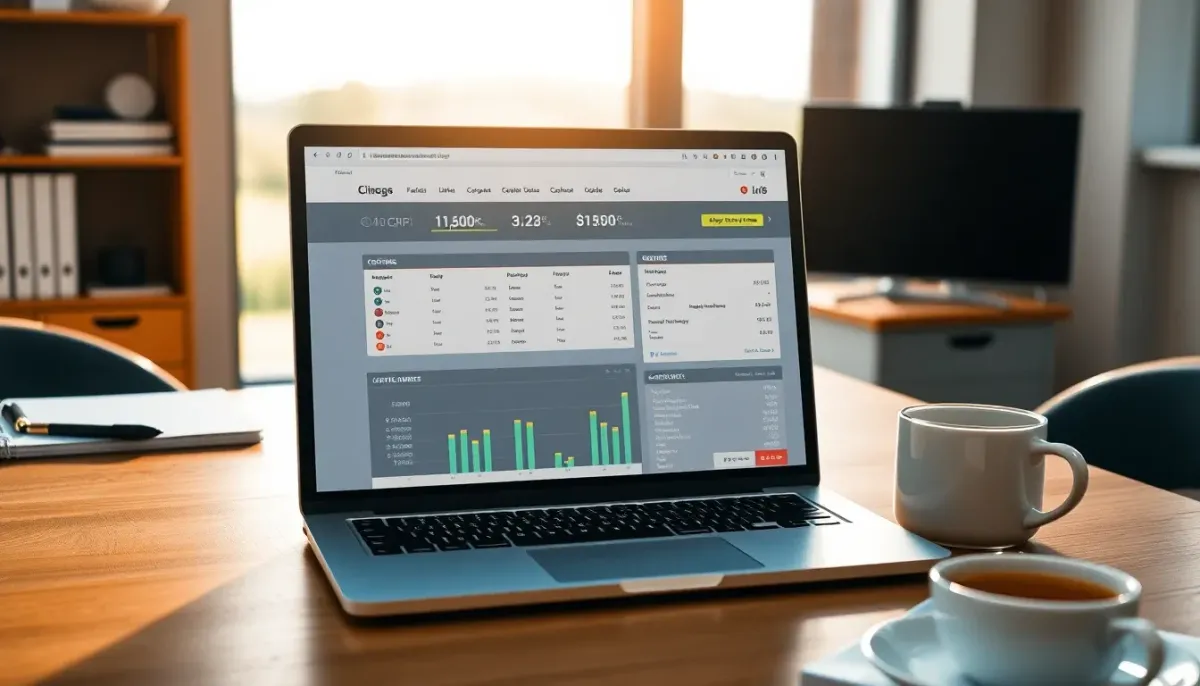
If you run a business in Cheshire, Manchester, or anywhere in the North West, your website is probably built on WordPress. And honestly, that has been a perfectly good choice for the last fifteen years. But the web has moved on, and there is a better way to build websites that is faster, more secure, and more flexible. It is called a headless CMS.
What Is a Headless CMS?
A traditional CMS like WordPress handles everything - it stores your content, builds your pages, and serves them to visitors. A headless CMS separates the content management from the frontend. You still get a familiar editing interface where you write and organise your content, but the website your visitors see is built separately using modern frontend frameworks.
Think of it like this: your content lives in one place (the CMS), and your website is a completely separate application that pulls that content in. The CMS does not care how the content is displayed - it just provides it via an API. That separation is where the magic happens.
Why It Matters for Local Businesses
Speed That Directly Affects Your Revenue
A headless site built on a framework like Astro serves pre-built static HTML files. There is no database query on every page load, no PHP processing, no server-side rendering delay. Pages load in under a second, consistently. Google measures this through Core Web Vitals, and faster sites rank higher in search results. For a Macclesfield business competing for local search traffic, that speed advantage is real money.
Security You Do Not Have to Think About
WordPress sites need constant security maintenance - plugin updates, login protection, firewall rules, malware scanning. With a headless architecture, your public-facing website is just static files. There is no admin panel for attackers to target, no PHP runtime to exploit, no database exposed to the internet. The attack surface is fundamentally smaller.
Flexibility to Grow
Because your content is available via an API, you can feed it to anything - your website, a mobile app, a digital display in your shop, a booking system. You are not locked into one way of presenting your content. As your business grows, your content infrastructure grows with it.
Our Stack: Strapi and Astro
We use Strapi as our headless CMS paired with Astro for the frontend. Strapi gives content editors a clean, intuitive interface that is actually pleasant to use. Astro generates lightning-fast static pages that score perfectly on Google PageSpeed. This is the exact stack we built our own agency website on - we practise what we preach.
We built our own agency website on this exact architecture, and the performance speaks for itself. Sub-second page loads, perfect accessibility scores, and a content editing experience we genuinely enjoy using. You can see the results right here on fortymileswest.co.uk.
When Headless Is Overkill
We are not going to pretend every business needs a headless CMS. If you need a simple brochure website with five pages and a contact form, a well-built WordPress site or even a simpler static site might be the better call. The upfront cost of a headless build is higher because the architecture is more sophisticated.
Headless makes the most sense when you need top-tier performance, strong security, multi-channel content delivery, or a site that will scale significantly over time. E-commerce businesses, content-heavy sites, and companies with multiple digital touchpoints benefit the most.
Cost Comparison
A headless website typically costs GBP 4,000-10,000 to build, compared to GBP 2,000-5,000 for a custom WordPress build. However, the ongoing costs often tell a different story. Headless sites need less hosting power (static files are cheap to serve), require less security maintenance, and perform better out of the box. Over three years, the total cost of ownership often converges.
Getting Started
If you are a business in Cheshire, Manchester, or the wider North West and you are curious about whether a headless CMS would work for you, we are happy to chat about it. No sales pitch, no jargon - just an honest conversation about what would actually work best for your situation and budget. Get in touch and let us figure it out together.